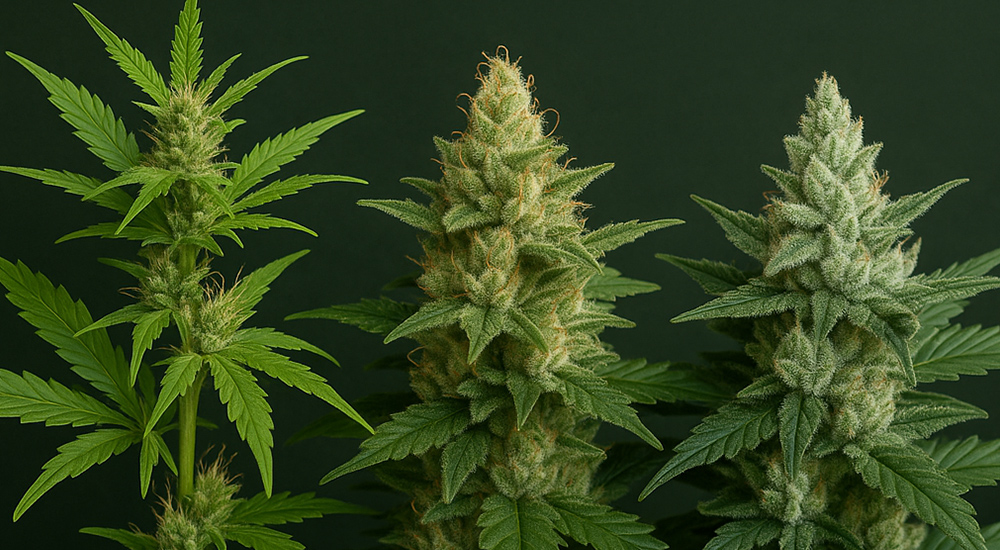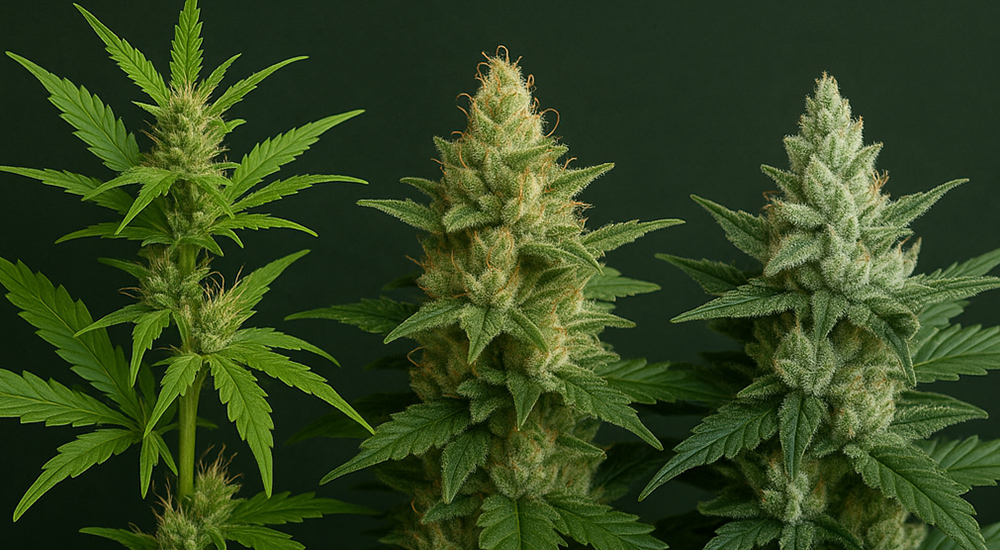
Indica vs Sativa vs Hybrid – Understanding Medical Cannabis Strains

Choosing between Indica, Sativa, and Hybrid cannabis products can be confusing, especially for new medical marijuana patients. This blog from Compassionate Certification Centers explains the traditional differences between these strain categories and what patients should know before selecting a product.

Indica strains are commonly associated with relaxation, stress relief, and nighttime use. Many patients seek Indica products to help support rest and manage symptoms that may interfere with sleep or relaxation.

Sativa strains are often linked to uplifting and energizing effects. Patients may prefer Sativa products during the day when they want to remain active, focused, and productive while addressing their medical cannabis needs.

Hybrid strains combine characteristics of both Indica and Sativa varieties. Depending on the cannabinoid and terpene profile, Hybrid products can offer balanced effects that may suit a wide range of patient preferences and treatment goals.

The blog also highlights why cannabinoids and terpenes may be more important than strain labels alone. Understanding compounds such as THC, CBD, and terpenes can help patients make informed decisions when choosing medical marijuana products. Read the full article from Compassionate Certification Centers to learn more about Indica, Sativa, and Hybrid cannabis strains and how to find products that align with your individual wellness goals.

Read the full article: https://www.compassionatecertificationcenters.com/news/indica-vs-sativa-vs-hybrid/
The Power of the Pinene Terpene | A Natural Ally for Medical Marijuana Patients

Terpenes play an important role in the medical marijuana experience, and Pinene is one of the most widely recognized compounds found in cannabis. In this blog, Compassionate Certification Centers explores how Pinene contributes to the aroma, effects, and potential therapeutic benefits of medical marijuana products. Pinene is also naturally found in pine trees, rosemary, basil, and other plants, giving it its distinctive fresh and earthy scent.

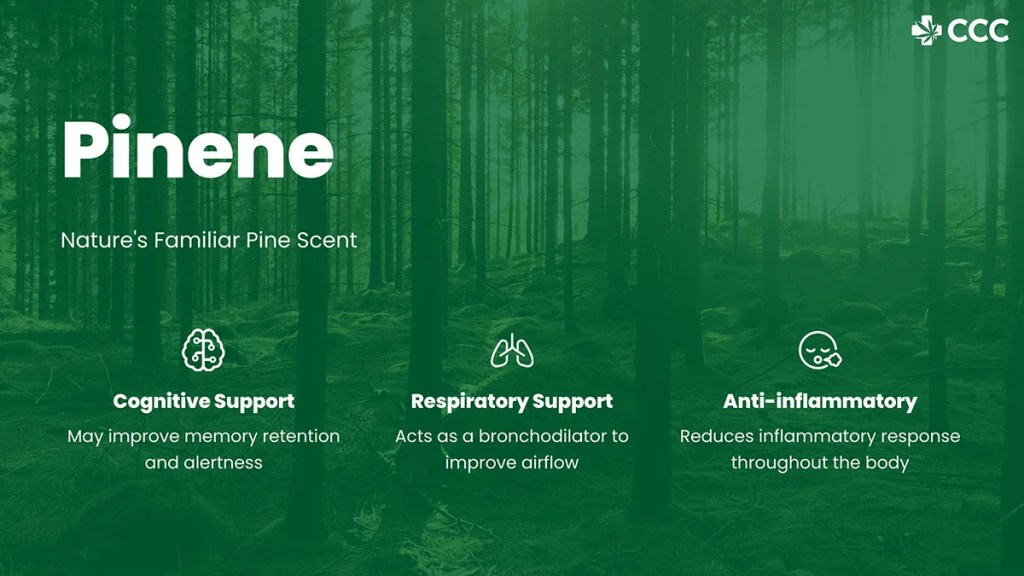
One of the most interesting aspects of Pinene is its potential ability to support mental clarity and memory. Research and patient experiences suggest that Pinene may help counter some of the cognitive effects commonly associated with THC, making it a valuable terpene for individuals seeking a more balanced cannabis experience.

The blog also highlights Pinene’s potential anti-inflammatory properties. This may make Pinene-rich medical marijuana products an option worth discussing with healthcare providers for patients managing chronic inflammation, arthritis, and other long-term health concerns.

Another potential benefit of Pinene is its bronchodilating properties, which may help support respiratory function by promoting open airways. Understanding how terpenes interact with cannabinoids through the entourage effect can help patients make more informed decisions about their treatment plans.

Overall, this article provides a practical overview of Pinene and its growing importance in medical marijuana therapy. Patients can learn how terpene profiles may influence treatment outcomes and why looking beyond THC content can lead to a more personalized cannabis experience.

Read the full article: https://www.compassionatecertificationcenters.com/news/the-power-of-the-pinene-terpene-a-natural-ally-for-medical-marijuana/

Cannabis Rescheduling in Pennsylvania What It Means for Medical Marijuana Patients

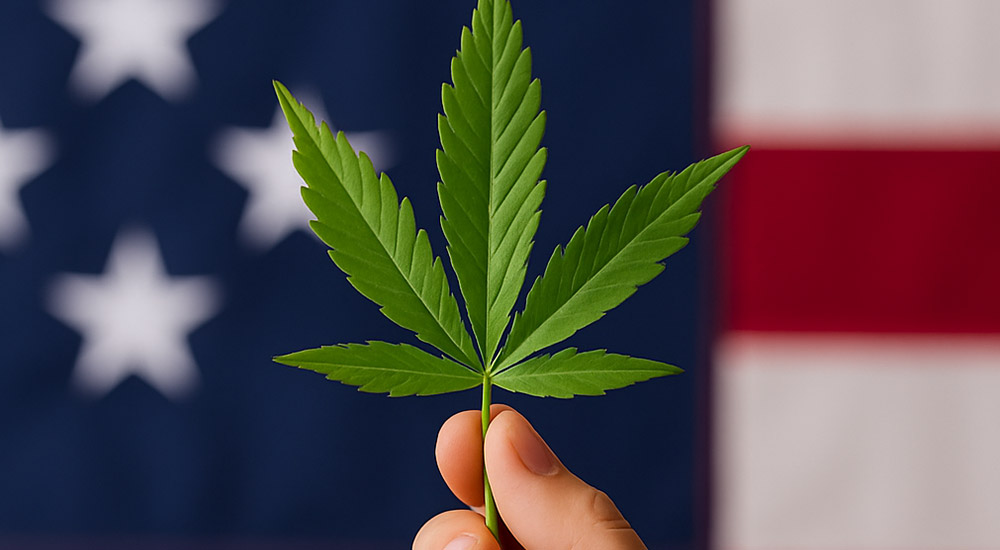
The rescheduling of cannabis is stirring up significant debate throughout the U.S., particularly among Pennsylvania patients. In this blog, Compassionate Certification Centers outlines how the rescheduling from Schedule I to Schedule III will affect medical cannabis patients, and what to expect. The federal rescheduling of cannabis is a major legal change but Pennsylvania’s medical marijuana program is still governed by state law, so patients will still require a medical marijuana card and adhere to state rules.

The main advantage of rescheduling is the decrease in federal legal liability. Medical marijuana would no longer be lumped in with substances that have no medical use, providing greater protection for patients and promoting greater acceptance in the medical community.

The blog also explains how company policies may evolve, but drug testing and company policies might still be enforced in some workplaces. And rescheduling may lead to better research, better advice from doctors about treatment options, and more qualifying conditions for medical cannabis in the future.

In 2016, the U.S. government has already started to reschedule state-legal medical cannabis into Schedule III, a significant milestone in federal law.

All in all, this article offers a step-by-step overview of the implications of cannabis rescheduling for Pennsylvania patients, debunking myths and giving people the facts about ever-changing medical marijuana legislation.

Read the full article:  https://www.compassionatecertificationcenters.com/news/cannabis-rescheduling-pennsylvania/

Is Getting a Medical Marijuana Card in Pennsylvania in 2026 Worth It

When considering a medical marijuana card in Pennsylvania in 2026, it’s crucial to consider the benefits of the card. This blog by Compassionate Certification Centers outlines why many patients still think it’s a good move. Having a card means people can legally access cannabis, can use it knowing they’re protected, and can buy it from a dispensary, which has products that are lab tested and properly labelled.

Personalised care is another benefit. Qualified physicians prescribe treatment for conditions such as pain, anxiety and post-traumatic stress disorder (PTSD), helping to eliminate trial and error and enhance long-term outcomes. What’s more, patients report improved cost-effectiveness by using the right product versus “trial and error”.

The blog also outlines the requirements and the process outlined by the Pennsylvania Department of Health, where certified patients can safely secure and use medical cannabis for eligible conditions.

But it’s not everyone’s cup of tea. If a person doesn’t intend to use cannabis regularly or expects a quick fix, it may not be a cost-effective investment. Consultations and purchases are typically out-of-pocket expenses, too.

In conclusion, the blog provides a comprehensive and balanced perspective of the advantages, drawbacks and costs of obtaining a medical marijuana card in Pennsylvania today, enabling readers to make an informed decision.

Read the full article: https://www.compassionatecertificationcenters.com/news/is-it-worth-getting-a-medical-marijuana-card-in-pennsylvania-in-2026/

Cannabis in the Workplace and Its Impact on Employees and Businesses

Modern employment policies are changing as the reform of cannabis still influences the employment practices in the workplace. The article of Compassionate Certification Centers points out the necessity of adapting the business and the employees to the modifications of the law without compromising the productivity, safety, and well-being.

Among the most important lessons, it is possible to note the increased acceptance of medical cannabis as a part of employee wellness. Most people use cannabis during their free time after work to treat chronic pain, anxiety, and stress, which may help them to get more sleep and perform better the next day. In the blog, research has put forward to the effect that legal accessibility to cannabis has even been found to reduce absenteeism and enhance work efficiency.

Another way the article compares cannabis to other drugs, such as alcohol and opioids, is the fact that alternative treatment could help facilitate healthier lifestyles. CBD, especially, can be mentioned as a substance that is likely to decrease dependency problems and assist in the recovery that can positively affect workplace morale and long-term health of employees.

Nevertheless, the significance of the clear workplace policies is greatly supported. In fact, employers should strike a balance between the rights of the employees and the safety requirement, particularly in the physical-risk industry. Although off-duty medical use has its advantages, the issue of on-the-job impairment still exists and companies should cope with it with the help of systematic rules.

In general, the issue of cannabis in the workplace is rather complicated and topical. With regulations constantly changing, companies with education, compliance, and employee welfare as their core values will be in a better position to establish an efficient and enabling working environment.

Read the full article: https://www.compassionatecertificationcenters.com/news/cannabis-in-the-workplace/

History and Current Status of Medical Marijuana in Pennsylvania

The medical marijuana experience in Pennsylvania indicates a significant change in the healthcare policy, attitudes, and economic growth. Medical cannabis was officially legalized in 2016 when Governor Tom Wolf signed the Medical Marijuana Act, becoming the 24th state in the United States to authorize its use as a treatment of patients with severe health issues.

This is because in 2018 the program became fully functional, and certified patients could now have access to cannabis in licensed dispensaries. With time, the regulations were leniently amended to add qualifying conditions and make more patients access it but with a stringent control on distribution and use.

The medical marijuana program in Pennsylvania is now constantly expanding, hundreds and thousands of registered patients are enjoying the benefits of medical marijuana use in their treatment. The industry has helped the state economy in many ways as it generates revenue, employment and helps in supporting local businesses.

Although it is successful, cannabis is still not recreationalized in Pennsylvania, and only the medical legalization is available. The policy changes still under discussion among the legislators as the neighboring states shift towards the process of a larger legalization and this aspect affects later choices in the state.

In general, the medical marijuana situation in Pennsylvania represents a compromise in terms of patient care, regulation, and social acceptance. With the development of research and law changes, it is likely that the state will have a major role in determining the future of medical cannabis in the United States.

Read the full article: https://www.compassionatecertificationcenters.com/news/history-status-of-medical-marijuana-in-pennsylvania/

Indica vs Sativa vs Hybrid – Understanding Cannabis Strains

Indica, Sativa, and Hybrid are the main categories used to describe cannabis strains and their effects. Indica strains are commonly linked with relaxation and physical comfort, while Sativa strains are known for uplifting and energizing experiences. Hybrid strains combine traits from both, offering balanced results based on their genetic makeup.

Modern cannabis guidance focuses more on a strain’s chemical profile than on its name alone. Cannabinoids such as THC and CBD, along with terpene content, play a key role in shaping how each strain affects the body and mind. This scientific approach helps users select products that better match their wellness goals and individual needs.

Understanding strain differences also includes learning about proper dosage and safe usage methods. Clear and accurate information supports responsible medical cannabis use while following state regulations and professional recommendations. This ensures a safer and more effective experience for patients and caregivers.

With the right knowledge, choosing between Indica, Sativa, and Hybrid becomes easier and more reliable. Informed decisions lead to a more personalized cannabis experience focused on comfort, balance, and long-term wellness.

Read the full article: https://www.compassionatecertificationcenters.com/news/indica-vs-sativa-vs-hybrid/
Best Consumption Methods for Medical Marijuana

Medical marijuana provides a number of consumption options to suit the lifestyles and health needs of the patients. Smoking or vaping cannabinoids rapidly enter the bloodstream, allowing one to feel relief in their symptoms, including pain, nausea, or anxiety, rather fast. Vaping is an emerging trend as an a smoke-free method that offers quick effects without exposing the user to dangerous byproducts.

With tinctures and oils, sublingual is a better choice, as it can be properly dosed and also administered discreetly. These are quicker methods than edibles thus suitable in timely release of symptoms. Edibles and capsules have long-term benefits, helpful in treating chronic diseases, though they must be consumed attentively and at the correct dosage.

Topical products address local symptoms such as muscle pain or joint pain (e.g., creams, balms and patches). These are therapeutic but without psycho activity hence they are useful in patients who need relief but not to feel high. Integration of consumption approaches can assist patients in the acquisition of both short-term and long-term symptom control especially to their needs.

By collaborating with a licensed medical marijuana provider, it is safe to use, effective, and in compliance. Patients are empowered through the advice given by the healthcare professionals on how to take the appropriate dose, select the method, and possible interaction on the choice of method. Through professional guidance, the patients will be assured of trying the most effective medical marijuana intake practices that will maximize the benefits and the general health.

Read the full article: https://www.compassionatecertificationcenters.com/news/best-consumption-methods-for-medical-marijuana/

Understanding the Pennsylvania Medical Marijuana Program

Medical marijuana in Pennsylvania has altered the availability of the treatment to patients with serious medical conditions giving them a legal and safe alternative of treatment. The program of the Pennsylvania Medical Marijuana incorporated within the Pennsylvania Medical Marijuana Act provides the option of medical cannabis to the qualified patients under the conditions of state regulations. Knowing the history of the program, its federal restrictions to state legislation, allows patients and caregivers with guaranteed success of passing through the program.

Compassionate Certification Centers CCC provide medical care to patients throughout their lives by guiding them through the steps to be certified, be eligible, and adhering to the state laws. Every one of them is special and eligibility is of qualifying medical conditions, degree of symptoms, and medical record. To ensure that access to medical marijuana is easy and easy to do, CCC collaborates with licensed doctors to study histories of patients, screen them, and help them get certified.

The CCC approach focuses on education and safe usage. Patients and caregivers are given clear guidelines on the acceptable types of cannabis, its correct dosage, how to take it and how to follow the Pennsylvanian rules. Provision of correct information and professional advice will enable the patients to make well-informed choices and use the medical cannabis responsibly.

The process of navigating Pennsylvania rules of medical marijuana might be complicated but patient-centred services of CCC will help the process. Professional consultation to on-the-job certification assistance, patients will be able to use medical marijuana safely and in the most effective way. Under CCC, patients who want to have relief in the Pennsylvania medical marijuana program can be guided, educated, and provided with an effective route to treatment.

Read the full article: https://www.compassionatecertificationcenters.com/news/the-pa-medical-marijuana-program/

Pennsylvania MMJ Certification Just Got Even Better with CCC

Compassionate Certification Centers OnPatient Portal is now a convenient medical marijuana certification tool that provides a more secure and easy-to-use platform in a state that has made it easier to certify medical marijuana. They can make and cancel appointments, check in online, and fill in necessary forms beforehand, which makes the experience of patients convenient. first-time certifications and renewals are also supported it is easier to remain in compliance with state regulations.

The portal also enables the patients to play with their personal and insurance data, safely communicate with their healthcare provider, and even consult medical records and educational resources on any device. Whether a patient wants a telehealth or a face-to-face appointment in the Butler, PA office of CCC, the system offers flexibility and convenience, which can save time and stress levels of patients.

Collaboration with qualified medical practitioners will ensure every patient is guided professionally on the eligibility, dosing and safe usage. The needs of individuals differ, and the professional control assists patients to make their choices being aware and reducing the risks and the advantages of the treatment.

The use of modern technology together with compassionate care has enhanced the overall experience of the patients making the medical marijuana program in Pennsylvania to be more accessible, organized and efficient. Patients are now able to manoeuvre around the certification with confidence and safety.

Read the full article:  https://www.compassionatecertificationcenters.com/news/pennsylvania-mmj-certification-just-got-even-better-with-ccc/

Create your own website, free on WordPress.com.Create your own website.
Start free