Xanax or Medical Marijuana for Anxiety: Benefits, Risks, and Treatment Options

Anxiety can impact life, relationships, sleep and well-being. Those looking for relief may want to explore other treatment options, such as prescription drugs like Xanax and medical marijuana. Familiarizing oneself with the options available, the possible benefits, and the associated risks can help people make informed choices with the help of a trained health care professional.

Xanax (alprazolam) belongs to a class of drugs called benzodiazepines, which are used in the treatment of anxiety disorders and panic attacks. It can be very quick at treating pain, but can also be dangerous, developing drowsiness, dependence, and withdrawal. Medical marijuana has cannabinoids, like THC and CBD, which communicate with the endocannabinoid system. But studies on cannabis use and anxiety have been scarce, and some people may experience anxiety or paranoia because of THC.

Compassionate Certification Centers offers information on Xanax vs medical marijuana for anxiety, such as how they function, existing research results, possible side effects and safety factors to consider. Treatment appropriateness and the need for a health care professional’s advice before beginning, continuing, or changing any medication are also discussed.

If you’re looking for ways to manage anxiety, or someone you love is, this resource can help inform you about the distinctions between medical cannabis and prescription medication and assist you to be better prepared for your chat with your healthcare practitioner.

Read the full article: https://www.compassionatecertificationcenters.com/news/xanax-or-medical-marijuana-for-anxiety/
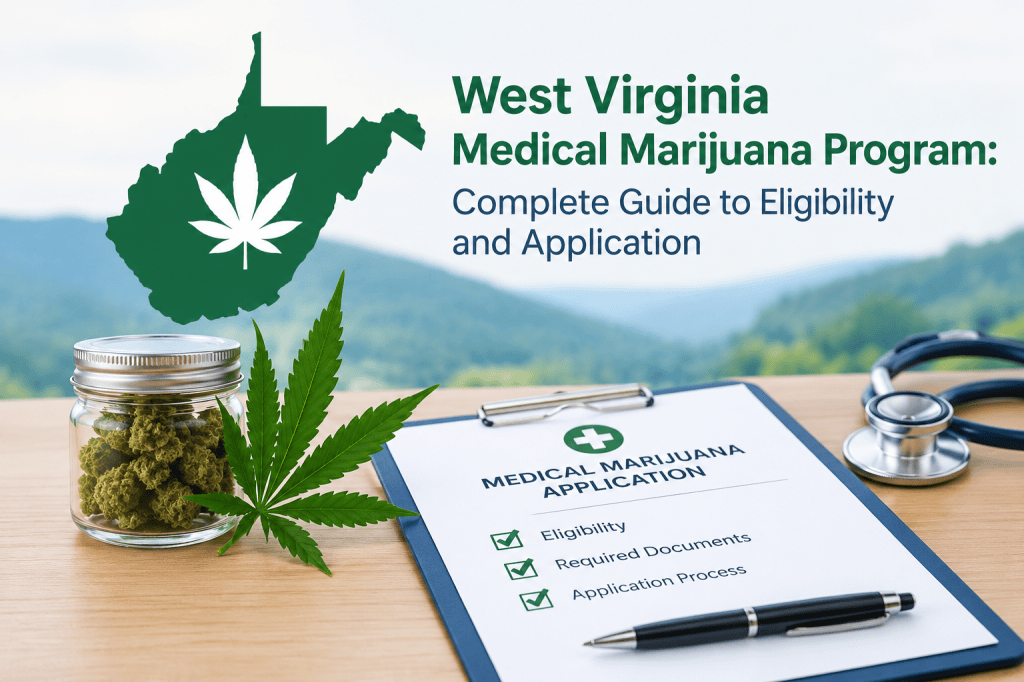
West Virginia Medical Marijuana Program: Complete Guide to Eligibility and Application

The West Virginia Medical Marihuana Program provides a regulated system for allowing qualified patients to obtain medical cannabis for a qualifying medical condition. Patients considering a medical marijuana card need to know the requirements to qualify for the program, what their physician must certify, the registration process with the state and the fees involved. Applicants who are aware of these steps can prepare the required documents and can make the process easier for them to complete.

In order to get a medical marijuana card in West Virginia, patients will need to be examined by a physician who has registered with the state’s Office of Medical Cannabis. Eligible patients must then submit the state registration form, necessary identification and residency paperwork, and a state fee or meet a financial hardship requirement. The process of certification by a physician and state registration is separate.

The West Virginia Medical Marihuana Act provides information about the medical marijuana program in West Virginia, such as qualifying conditions, medical records, virtual physician visits, application requirements, processing time, purchase limits, caregiver options, and how to renew a West Virginia Medical Marihuana Act card. Patients can know what is required and what to watch out for when applying for a registration, which may help them avoid common mistakes in their application.

From initial certification to renewal, this article offers practical tips to help you understand the process of applying for your medical marijuana card. Discover how Compassionate Certification Centers can assist qualified West Virginia patients with virtual doctor appointments and information on medical cannabis certification and registration.

Read the full article: https://www.compassionatecertificationcenters.com/news/west-virginia-medical-marijuana-program/

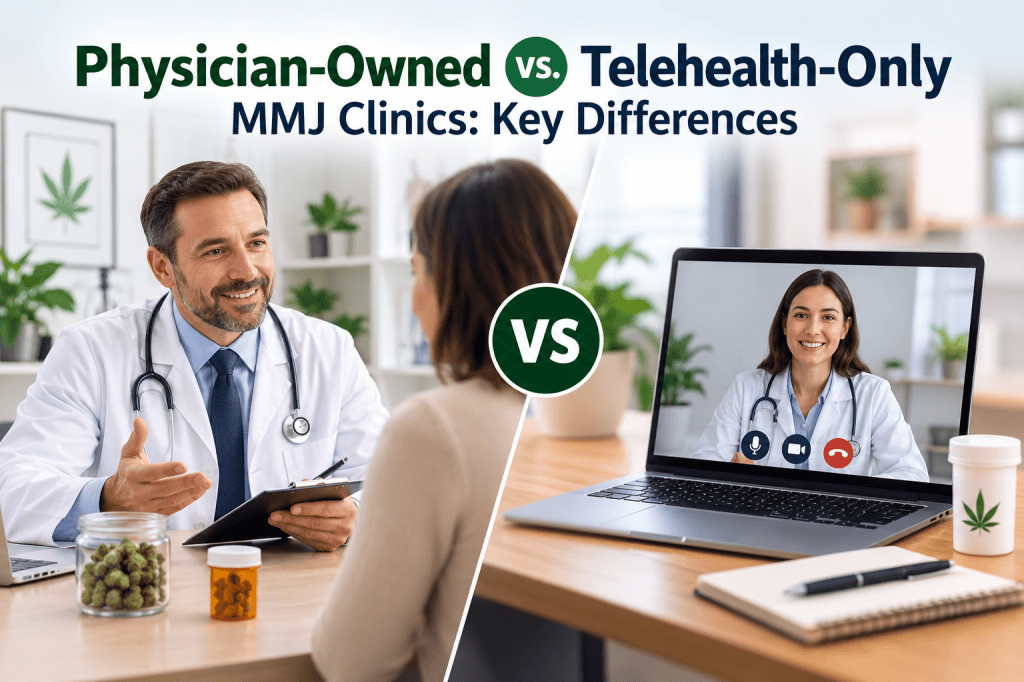
Physician-Owned vs. Telehealth-Only MMJ Clinics: Key Differences

Patients who are looking for medical cannabis certification should think about the selection of a medical marijuana clinic. There might be differences between physician-owned clinics and telehealth-only MMJ clinics regarding medical assessments, communication, and subsequent care. By knowing these differences, patients can make a wise choice when choosing a medical marijuana provider.

Physician-owned medical marijuana clinics may have a care pathway that is physician-directed, and telehealth-only clinics will have consultations via online appointments. Depending on the regulations in each state and individual patients’ needs, both models can provide convenient access to medical evaluations. Before deciding on a provider, patients should take into account the provider’s qualifications, consultation process, privacy practices and availability of follow up care.

The article also outlines the factors patients should consider when selecting an MMJ clinic, such as the level of expertise of the physicians, state registration status, appointment availability, physician examination of patient medical records, benefits or refunds after certification and consultation, and post-certification support. These factors can help patient’s consider the providers based on their needs and not just for convenience or cost. For people who are applying for their first medical marijuana card or renewing a medical marijuana certification, this guide offers practical information for physician-owned practices and only phone and video clinics. Discover how Compassionate Certification Centers can help patients in Pennsylvania and West Virginia get matched with a virtual doctor visit, and offer advice on the certification and registration process.

Read the full article: https://www.compassionatecertificationcenters.com/news/physician-owned-vs-telehealth-only-mmj-clinics/

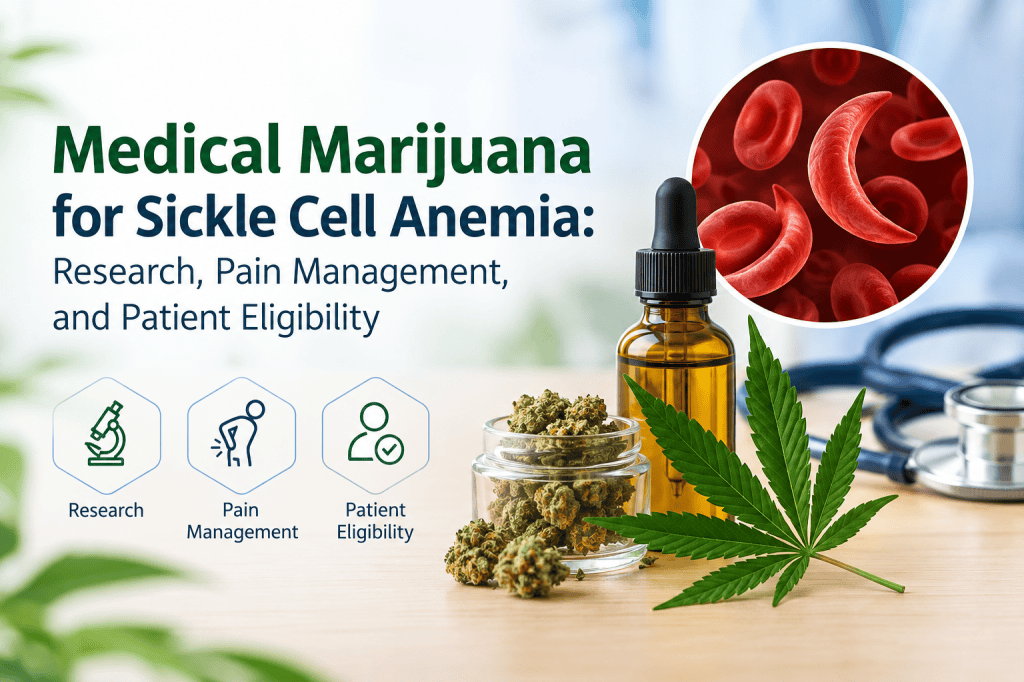
Medical Marijuana for Sickle Cell Anemia: Research, Pain Management, and Patient Eligibility

Sickle cell anemia is a genetic blood disorder that may lead to painful episodes, chronic pain and tiredness, and other problems that interfere with a person’s life. For some patients, medical marijuana is a potential alternative treatment to pain management and symptom relief. Patients might be better equipped to make informed decisions with the advice of a trained health care professional if they understand the benefits, limitations, and risks.

Medical cannabis has cannabinoids that affect the body’s endocannabinoid system, which has a role in regulating pain, among other functions. Some research indicates that it may be beneficial for the management of acute pain for people with sickle cell disease, but there is limited and conflicting evidence. Medical marijuana is not the known cure or alternative to prescription medications, and patients should always talk to their health care providers before using cannabis.

Compassionate Certification Centers offers facts on medical marijuana for sickle cell anemia, the latest research, possible benefits, precautions, and who is eligible in Pennsylvania and West Virginia. The article also discusses the process of getting a medical marijuana certification and offers some tips to help patients learn how to get a medical marijuana card in both states.

If you have sickle cell anemia, or have some background research to share with a loved one regarding other pain management options, this resource can help you to understand the information you have and how you can engage in an informed conversation with a health care provider.
Read the full article: https://www.compassionatecertificationcenters.com/news/medical-marijuana-for-sickle-cell-anemia/

Medical Marijuana and PTSD: Understanding Treatment Options

post-traumatic stress disorder (PTSD) is a severe disorder that may cause emotional problems, difficulty sleeping, relationship problems, and difficulties with everyday tasks. PTSD symptoms are typically increased stress, mood changes, sleep disturbances, nightmares, anxiety and intrusive memories. The Compassionate Certification Centers blog discusses the medical marijuana and its ability to help certain patients alleviate some symptoms of PTSD and offers information for those who are interested in using medical cannabis to treat the illness.

The article covers the latest studies regarding medical marijuana and PTSD, as well as the potential benefits for symptom management. Medical cannabis can treat some patients’ sleep problems, anxiety, stress and nightmares. But medical marijuana isn’t a cure for PTSD and not everyone finds it to be helpful. Cannabis therapy should be part of a tailored treatment plan and patients should consult their healthcare provider for advice.

Additionally, readers will discover the vital factors to consider when investigating medical marijuana for PTSD, such as the possible advantages, risks, and the significance of finding the right treatment plan. The blog emphasizes the importance of seeing a knowledgeable medical marijuana physician before starting cannabis treatment and how professional advice can assist patients make informed choices about treatment.

If you’re newly diagnosed with PTSD or you’re looking at alternative health options to help you treat your symptoms, this comprehensive guide offers easy-to-understand information on medical cannabis and PTSD. Discover more about the medical marijuana’s potential to help manage PTSD symptoms, and how you can explore medical marijuana treatment with Compassionate Certification Centers.

Read the full article: https://www.compassionatecertificationcenters.com/news/medical-marijuana-and-ptsd/

Fibromyalgia and Medical Marijuana Understanding Treatment Options

Fibromyalgia is a chronic condition which can result in widespread pain, fatigue, sleep disturbances, and other symptoms that can impact daily functioning. While traditional treatments and therapies can alleviate symptoms, medical marijuana may be used by a certain group of patients to treat fibromyalgia. Patients should be aware of the possible benefits of medical cannabis so that they can make an informed choice when it comes to their health.

Medical marijuana has cannabinoids that activate the body’s endocannabinoid system, which is responsible for controlling pain, sleep, mood, and more. Some studies indicate that cannabis may be beneficial for some people with fibromyalgia for pain, insomnia and other symptoms. But medical marijuana isn’t a miraculous cure and treatment should be discussed with a qualified medical marijuana doctor.

Compassionate Certification Centers offers a wealth of information on fibromyalgia and medical marijuana, such as medical marijuana benefits, current research, patient eligibility, and the medical marijuana certification procedure. The blog also covers key factors to take into account, risks to avoid, and the significance of seeking medical advice before starting cannabis treatment.

So, no matter if you are a patient suffering from fibromyalgia or you are looking for a viable alternative to a medication or treatment that your doctor has prescribed for you or someone you love, this information can help you with comprehending medical marijuana and make decisions concerning your treatment.

Read the full article: https://www.compassionatecertificationcenters.com/news/fibromyalgia-and-medical-marijuana/

Medical Marijuana for PTSD Benefits, Research, and Patient Guidance

Post-Traumatic Stress Disorder (PTSD) impacts millions of individuals and may result in symptoms like anxiety, flashbacks, nightmares, insomnia and emotional distress. Medical marijuana may be a treatment option to consider for patients who struggle with PTSD symptoms, although many patients get better from traditional treatments. It is essential to inform patients about the potential of cannabis in mental health treatment.

Medical marijuana contains cannabinoids which affect the body’s endocannabinoid system that regulates mood, memory, sleep and stress. New studies indicate that medical cannabis can be beneficial for some patients to reduce anxiety, sleep disturbances and decrease the number of nightmares associated with PTSD. But cannabis is not a cure and treatment must always be supervised by a qualified medical marijuana doctor.

Compassionate Certification Centers offers a blog that discusses some of the benefits of medical marijuana for PTSD, the latest research and results, medical marijuana patient eligibility, and the medical marijuana certification process. It also explains what to think about, important risks and why medical guidance is important before beginning cannabis treatment.

Whether you’re dealing with PTSD or looking for other treatment options for yourself or someone you love, you will find reliable and easy to understand information to guide you through your choices with confidence.

Read the full article: https://www.compassionatecertificationcenters.com/news/medical-marijuana-and-ptsd/

Fibromyalgia and Medical Marijuana Benefits

Fibromyalgia is a medical condition that impacts millions of individuals, resulting in widespread chronic pain, fatigue, sleep problems and cognitive issues that can disrupt their lives. Compassionate Certification Centers’ blog outlines the ways medical marijuana can alleviate symptoms of fibromyalgia and offers some important information for patients who may be thinking about using cannabis as part of their treatment.

The article examines the latest studies on medical cannabis and its potential benefits for fibromyalgia, such as its ability to help manage chronic pain, alleviate sleep issues, relieve muscle discomfort and promote general health. Although medical marijuana can’t cure fibromyalgia, a lot of patients find they have some symptom relief taking cannabis under the supervision of a qualified doctor.

Readers will also get an overview of medical marijuana eligibility, the certification process, and how patients with severe chronic or intractable pain might be able to obtain a medical marijuana card in Pennsylvania and West Virginia. The blog emphasizes the significance of customized treatment and seeking advice from a skilled medical marijuana physician prior to starting treatment.

This complete, up-to-date guide offers solid, accessible information according to current medical understanding, whether you’ve just been diagnosed with fibromyalgia or are looking for other solutions to chronic pain. To read the full article from Compassionate Certification Centers and learn how medical marijuana can help manage fibromyalgia symptoms and help you live a better life.

Read the full article: https://www.compassionatecertificationcenters.com/news/fibromyalgia-and-medical-marijuana/

Supreme Court Cannabis Gun Rights Ruling What Medical Marijuana Patients Should Know

The Supreme Court cannabis gun rights ruling has become one of the most significant legal developments for medical marijuana patients and firearm owners. This blog from Compassionate Certification Centers explains the court’s decision, what it means for cannabis users, and why patients should continue paying close attention to both federal and state laws.

The ruling addresses whether cannabis use alone should automatically prevent someone from exercising their Second Amendment rights. While the decision represents an important legal shift, it does not eliminate every firearm restriction or create a blanket rule for all medical marijuana patients.

The blog breaks down the legal decision in simple terms, helping readers understand how cannabis laws and firearm regulations continue to evolve. It also explains why differences between state and federal law remain an important consideration for anyone using medical marijuana.

Readers will gain valuable insight into the legal questions surrounding medical cannabis, responsible firearm ownership, and the potential impact of future court decisions. Staying informed can help patients make educated decisions while navigating changing cannabis regulations.

Whether you are a current medical marijuana patient or simply interested in cannabis law, this article offers clear, practical information about this landmark Supreme Court ruling. Read the full article from Compassionate Certification Centers to better understand how the Supreme Court cannabis gun rights ruling may affect medical marijuana patients and their legal rights.

Read the full article: https://www.compassionatecertificationcenters.com/news/supreme-court-cannabis-gun-rights-ruling/

Understanding Ryan’s Law in Pennsylvania and Medical Marijuana Access

Ryan’s Law in Pennsylvania is an important piece of legislation designed to improve medical marijuana access for terminally ill patients receiving care in healthcare facilities. In this blog, Compassionate Certification Centers explains the purpose of Ryan’s Law, how it was inspired, and why it represents a meaningful step toward compassionate patient care.

The legislation was introduced to address situations where qualified medical marijuana patients may lose access to their prescribed cannabis after being admitted to hospitals, hospice programs, or other inpatient facilities. Ryan’s Law aims to give eligible patients the opportunity to continue using medical marijuana when it is part of their treatment plan and approved by the facility.

The blog also explores who may qualify under the proposed law, how healthcare providers and facilities could be involved, and what patients and caregivers should know as the legislation continues to evolve. Understanding these details can help families prepare for important healthcare decisions during challenging circumstances.

Readers will also gain insight into the broader impact Ryan’s Law could have on patient rights, compassionate care, and the future of medical marijuana policy in Pennsylvania. Staying informed about legislative changes allows patients and caregivers to better understand their options and advocate for appropriate care.

Overall, this article provides a clear overview of Ryan’s Law and its potential benefits for Pennsylvania medical marijuana patients. Read the full article from Compassionate Certification Centers to learn more about Ryan’s Law, patient eligibility, and how this legislation could shape compassionate medical cannabis access in the future.

Read the full article: https://www.compassionatecertificationcenters.com/news/understanding-ryans-law-in-pennsylvania/

Create your own website, free on WordPress.com.Create your own website.
Start free